Red Army soldiers
in the Zeithain prisoner of war reserve hospital
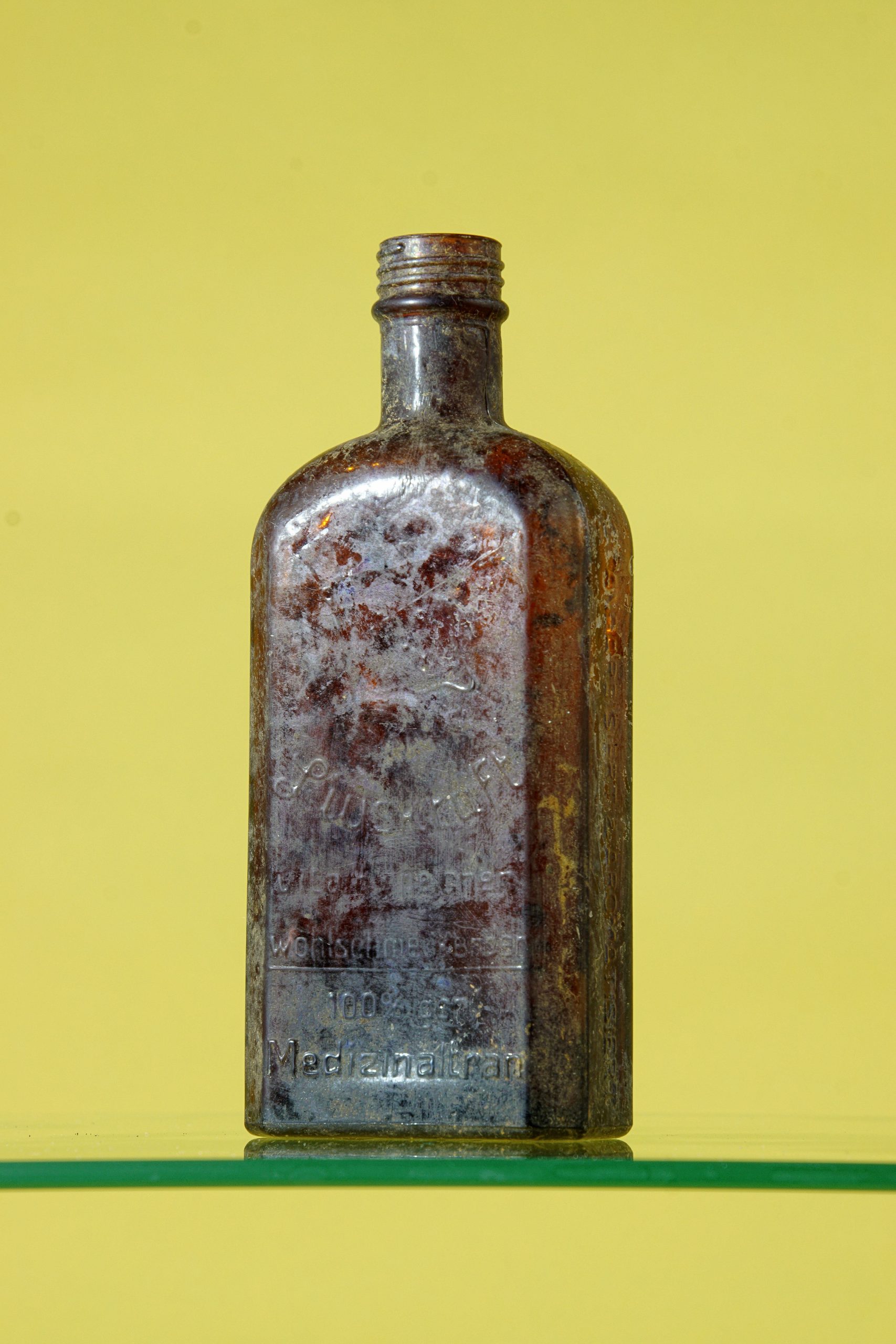
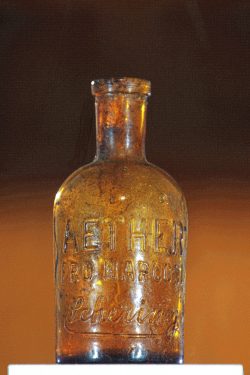
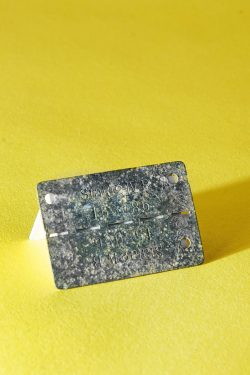
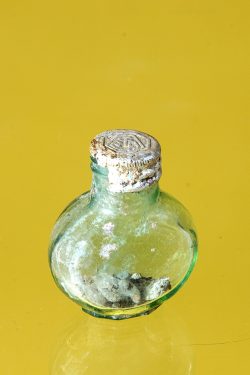
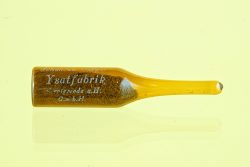
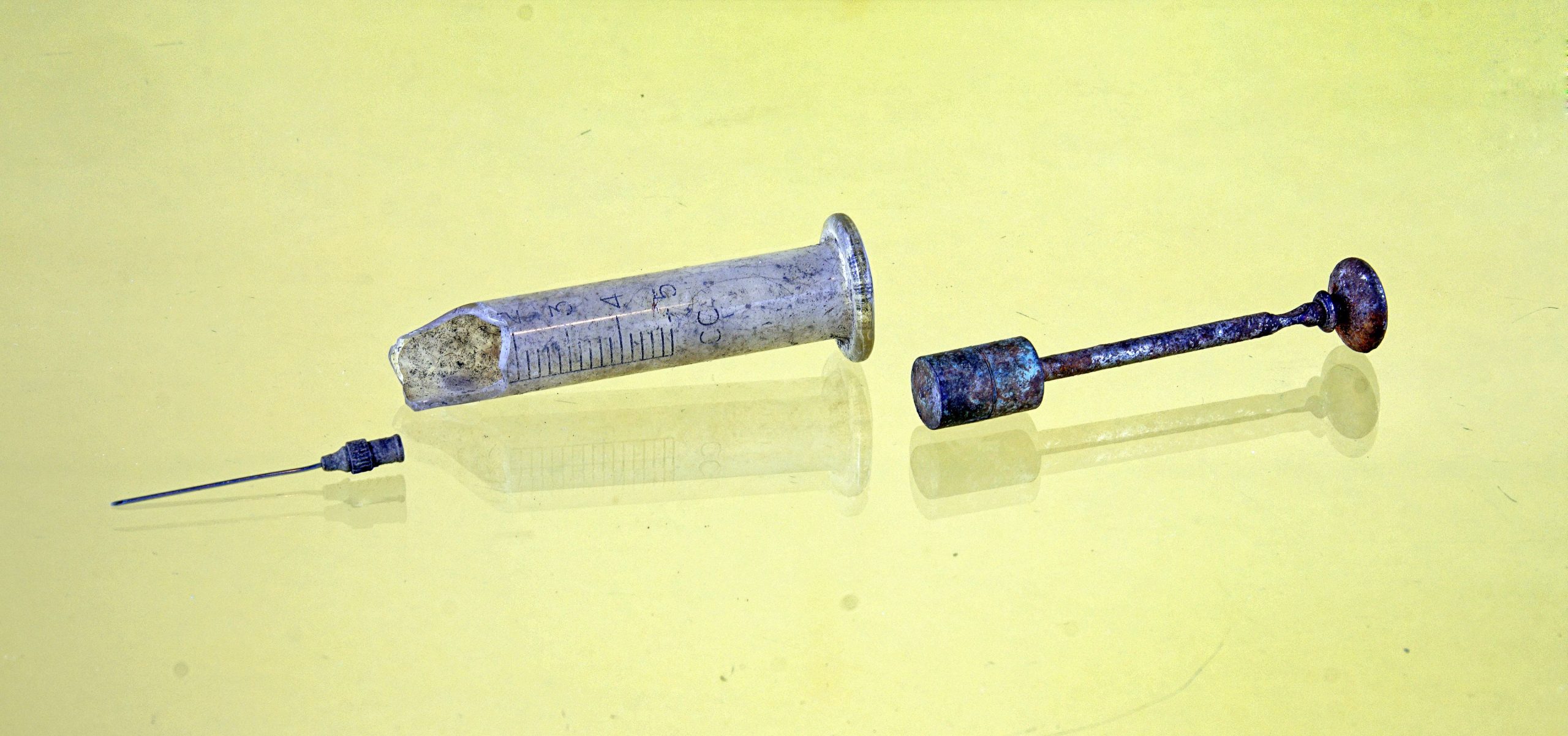
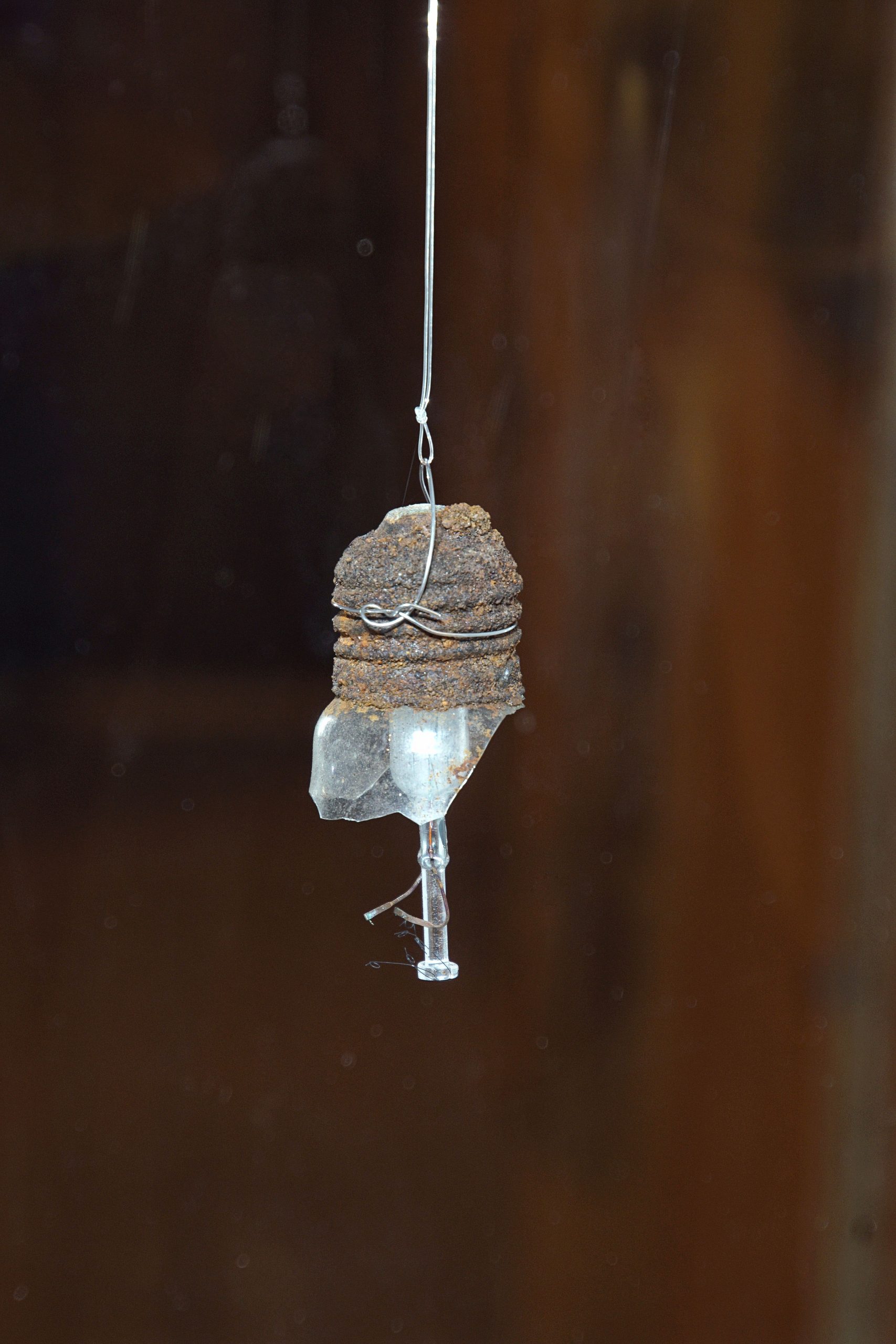
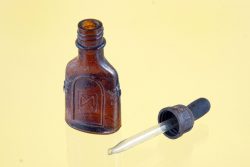
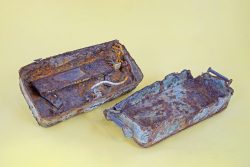
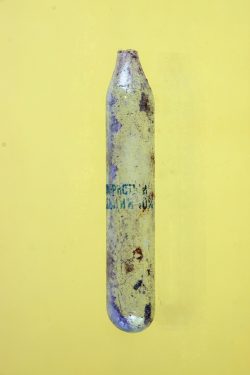
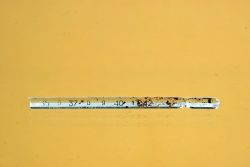
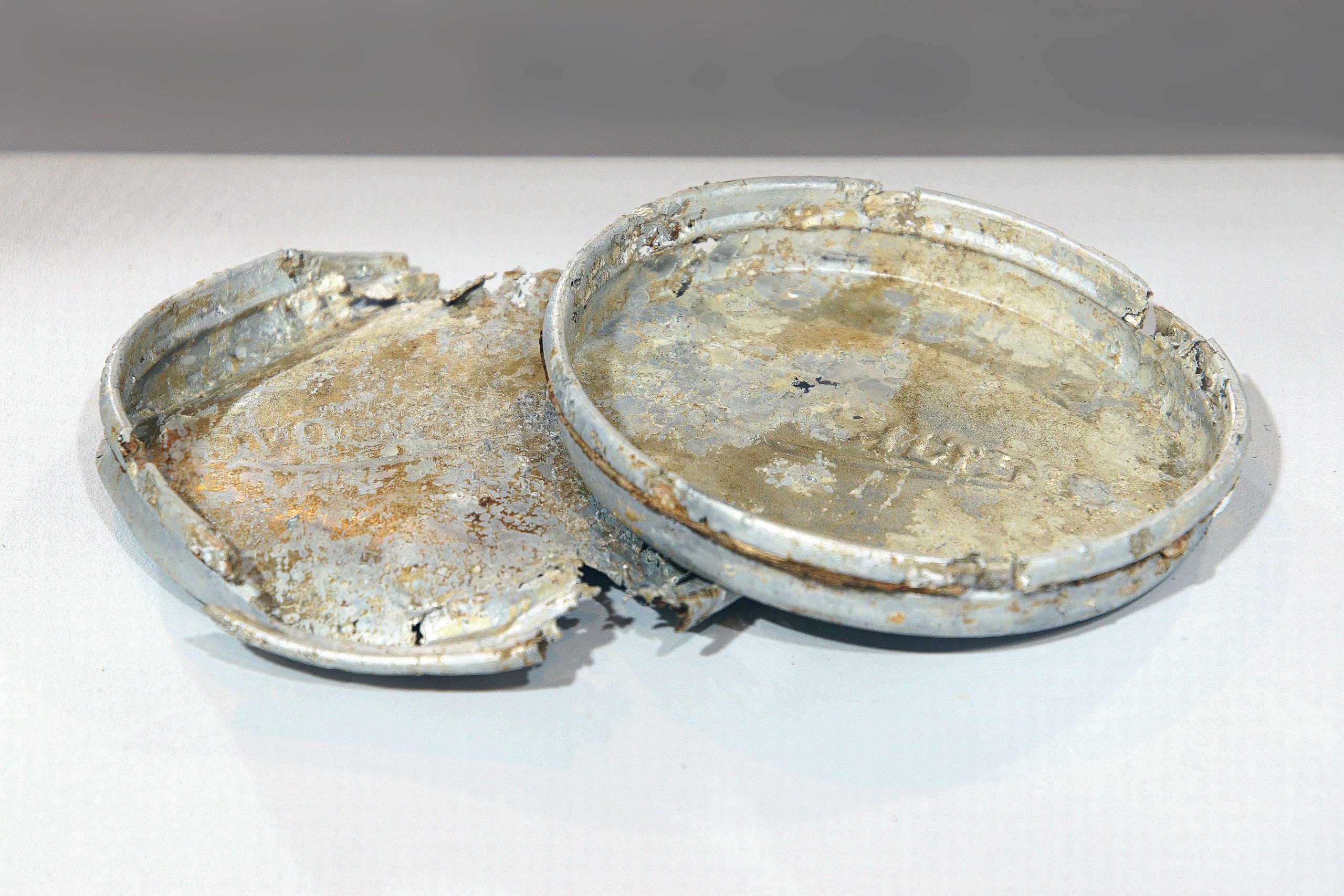
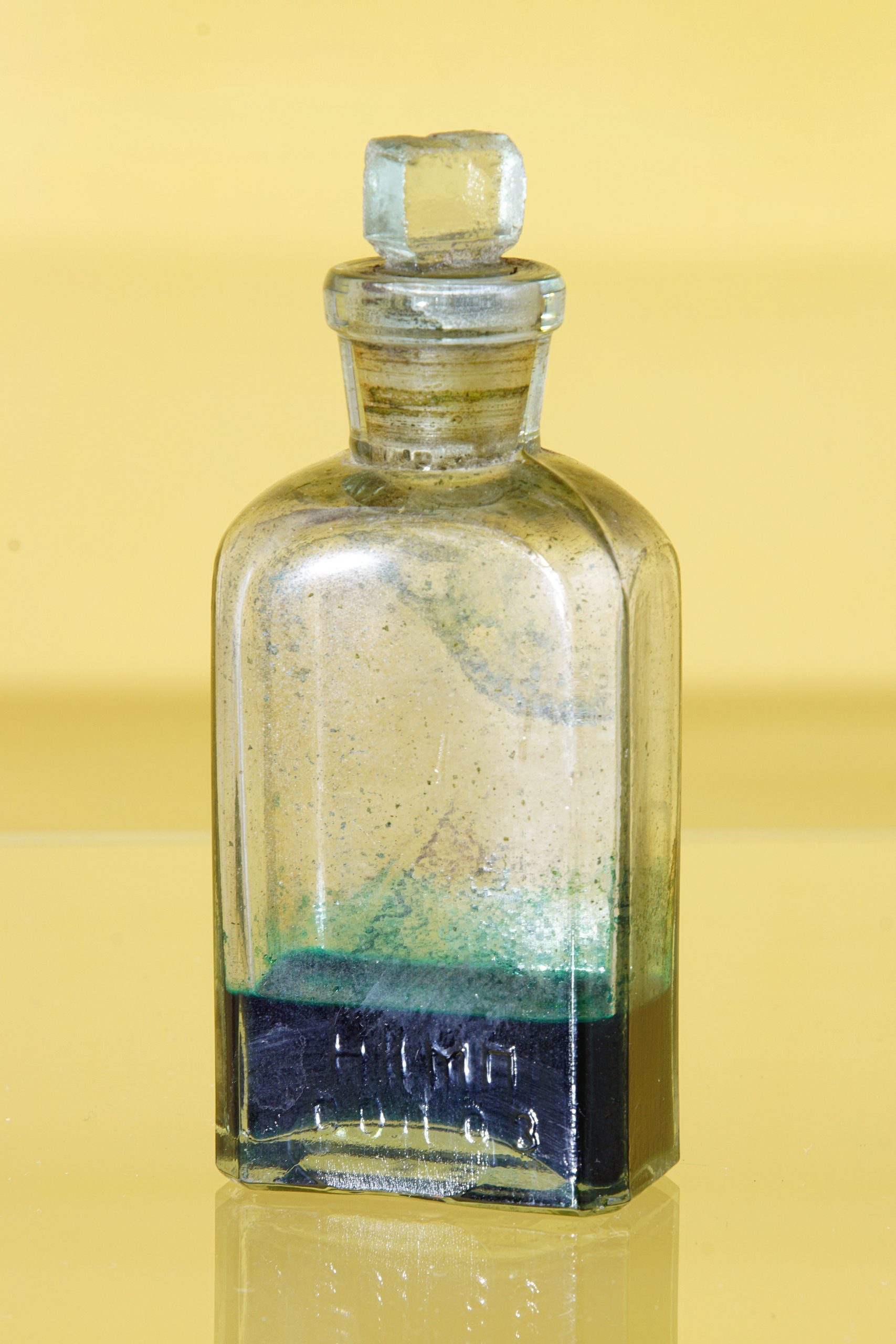
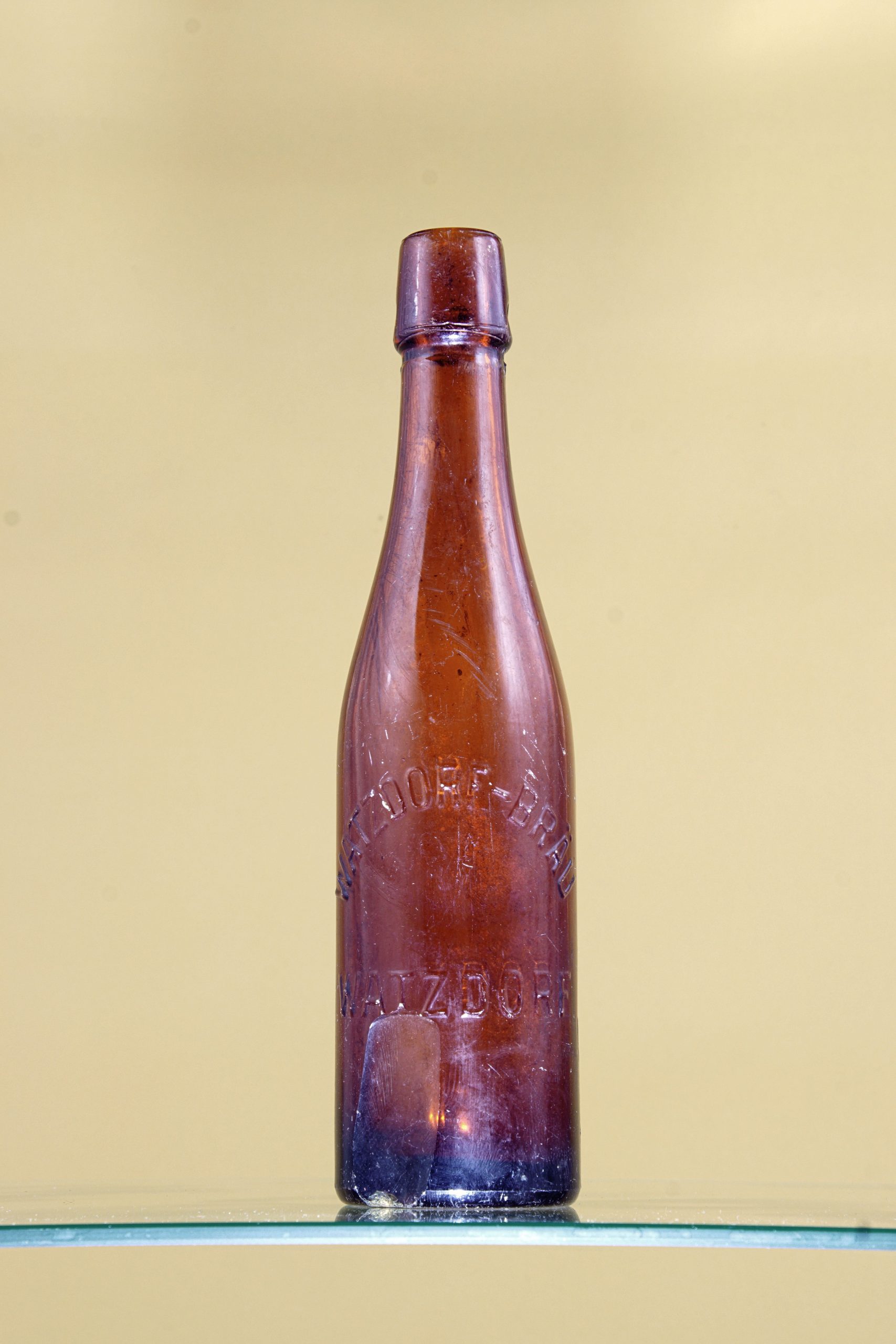
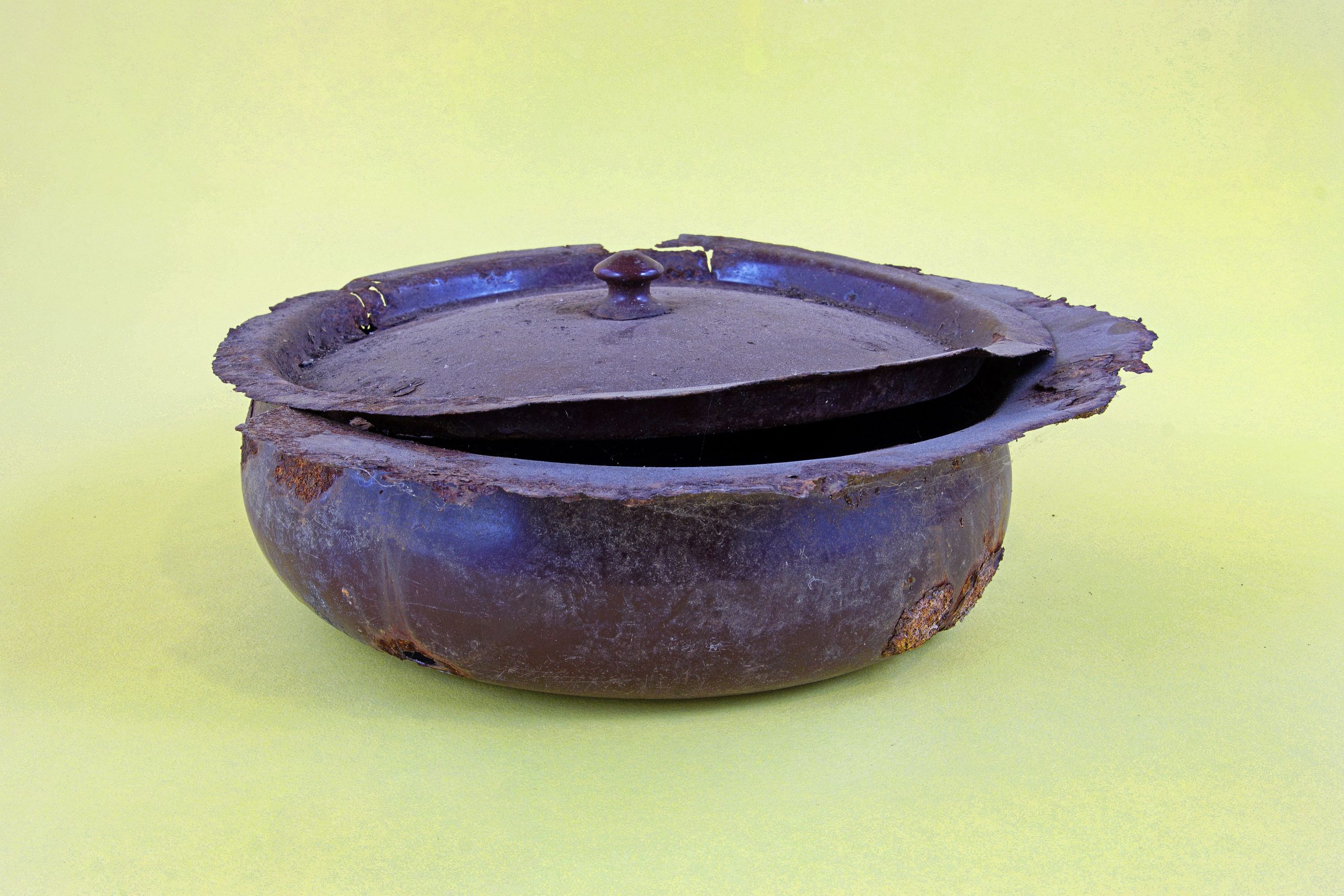
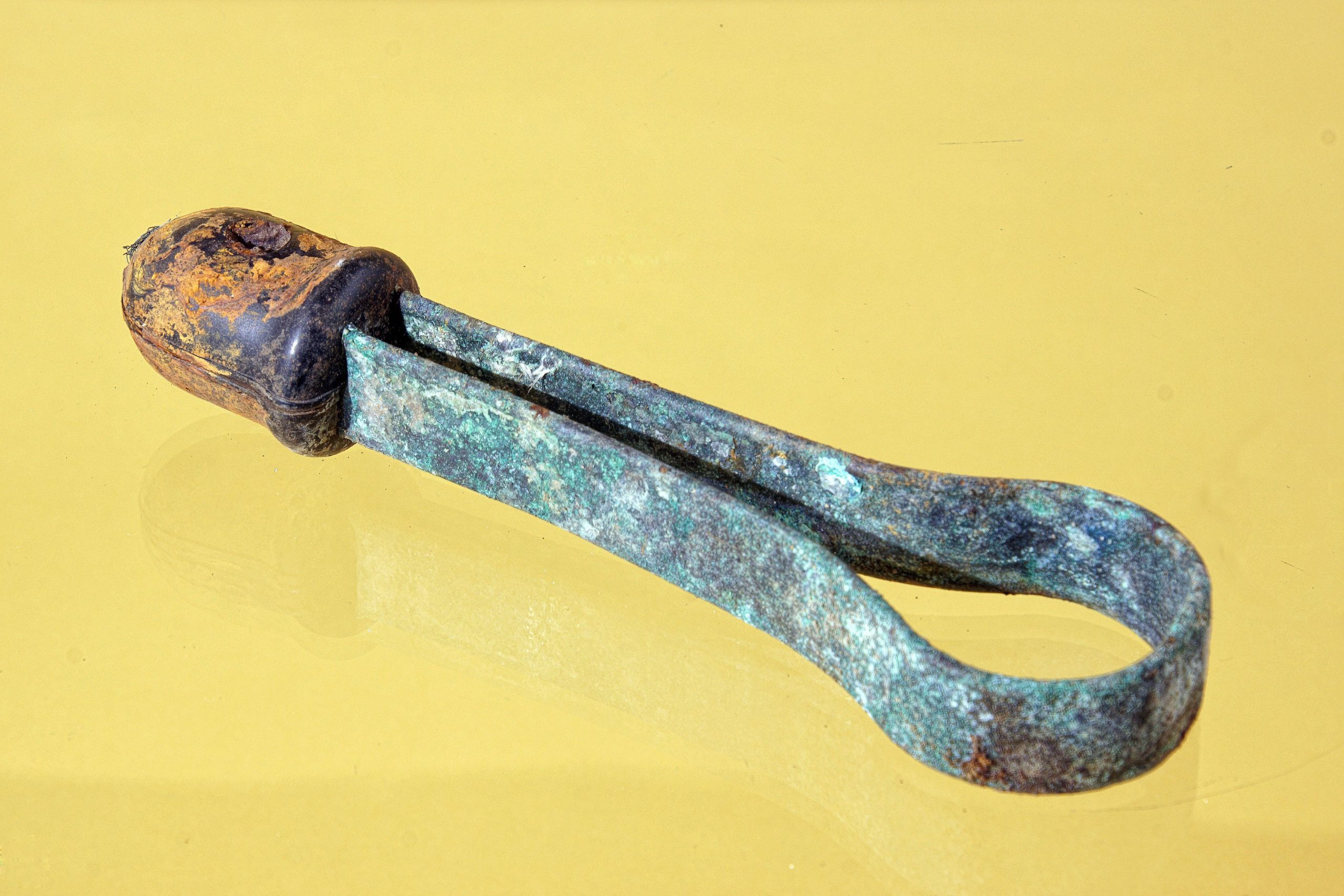
To care for sick Soviet prisoners of war, the Wehrmacht erected an infirmary in the main camp. An additional hospital for severely ill and infectious prisoners was set up at a distance of six kilometres. In autumn 1941 an epidemic of dysentery and typhus broke out among the undernourished prisoners. The planned isolation of infectious patients was abandoned. At the same time, many prisoners of war held as forced labourers at sites throughout the German Reich contracted tuberculosis. Poor living conditions contributed to the spread of infectious disease in their living quarters at the places where they worked. The Wehrmacht had to expand its facilities. In September 1942, Zeithain was selected for this purpose. Its conversion to the largest prisoner of war reserve hospital in the German Reich with 7,700 beds was completed by March 1943. From then on, severely ill prisoners of war with little hope of recovery were concentrated in Zeithain. Medical care was provided in large part by imprisoned female medics and physicians of the Red Army. Medications, trained personnel and running water were all in short supply. The severe undernourishment of the prisoners and their weakened immune systems increased their suffering. After the end of the war, 451 liberated Soviet soldiers died in Zeithain.